UN Diplomats Agree to Begin Discussions on Autonomous Weapons, But No Binding Rules Yet
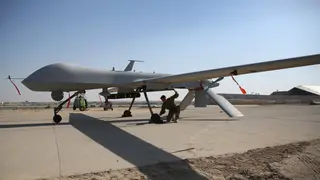
UN diplomats in Geneva failed to reach consensus on legally binding regulations for autonomous weapons, commonly known as 'killer robots,' after a week of negotiations. Instead, they agreed to begin discussions over the next two years, with no guarantee that any rules will be mandatory. Key nations including the US, Israel, and Russia were cited as major obstacles to progress.
In November 2026, UN diplomats gathered in Geneva failed to establish legally binding regulations for autonomous weapons, commonly referred to as "killer robots," after a week of negotiations. Instead, they agreed to begin discussions over the next two years, with no commitment to enforceable rules. The International Committee of the Red Cross, the U.N. secretary-general, and Pope Leo had previously urged the adoption of binding rules within a year, citing urgent humanitarian concerns. However, key nations—including the United States, Israel, and Russia—blocked consensus. Russia delayed the process on the first day by challenging the agenda, while the U.S. proposed a five-year window to develop nonbinding, optional guidelines. This move effectively stalled progress toward mandatory oversight. The absence of enforceable standards leaves a significant gap in international law, especially as semi-autonomous weapons and drones have contributed to civilian casualties in active conflicts such as those in Ukraine, Gaza, and Sudan. The outcome reflects a broader pattern where military and technological powers prioritize strategic flexibility over global norms, even as civil society and humanitarian groups demand urgent action.
The failure to establish binding rules on autonomous weapons could deepen global instability, particularly in ongoing conflicts where AI-driven systems are already being deployed. Civilian populations in war zones may face increased risks without clear legal accountability for machine-driven attacks. The delay in regulation may embolden states to expand the use of autonomous systems in military operations, potentially accelerating an arms race in AI warfare. This situation echoes earlier international hesitations on chemical weapons, where initial reluctance to ban such tools led to prolonged use before the 1925 Geneva Protocol. Today, the absence of enforceable norms may similarly normalize the deployment of lethal autonomous systems. What’s next could include increased pressure from non-governmental organizations, public campaigns, or even unilateral national policies—though global coordination remains fragile. The real test will be whether the two-year discussion period leads to tangible proposals, or simply becomes a procedural delay. Monitoring shifts in national defense strategies and emerging AI hardware capabilities will be crucial in assessing the long-term implications.