Securing AI-Driven Robots Against Stealth Cyberattacks
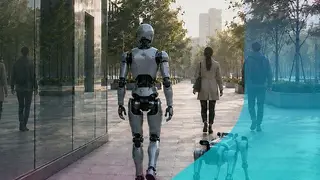
The article argues that robot safety now extends beyond mechanical failures to include cyber threats that can alter a robot's perception, decisions, or actions without visible signs of malfunction. It recommends combining AI model scanning, vulnerability assessment, simulation-based validation, and continuous monitoring to secure robots throughout their lifecycle. The piece is sponsored by VicOne, a cybersecurity firm focused on physical AI systems.
The shift from purely mechanical robot safety to cybersecurity reflects how modern robots increasingly rely on AI models that can be subtly manipulated. Unlike traditional hacking that causes obvious failures, stealth attacks may corrupt a robot's perception or decision-making while the machine continues operating normally, making detection difficult.
Securing these systems requires a lifecycle approach rather than a one-time fix. The recommended strategy combines scanning AI models for vulnerabilities, assessing system weaknesses, validating behavior through simulation, and maintaining continuous monitoring from development through real-world operation. This layered defense aims to catch threats that might otherwise go unnoticed until they cause harm.
As robots move into warehouses, hospitals, and public spaces, stealth cyberattacks could undermine trust in automated systems that handle physical tasks. A compromised robot might make dangerous decisions while appearing functional, potentially affecting workers, customers, or bystanders who cannot easily distinguish safe operation from manipulated behavior. Manufacturers and operators may face new liability questions, and industries adopting robotics could need to invest in cybersecurity expertise previously reserved for IT systems rather than physical machinery.