MassRobotics Opens Marine Robotics Hub at Boston Fish Pier for Startups
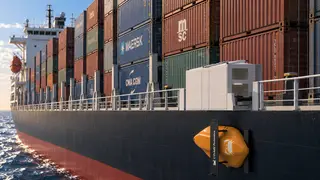
MassRobotics is constructing a marine robotics facility at the Boston Fish Pier in partnership with the Massachusetts Port Authority, set to open in early 2028 with programming beginning in 2027. The site will provide startups with direct access to Boston Harbor for testing, including a water tank, a float for water deployment, and lifting equipment, eliminating the need to rent boats or travel for testing. The facility supports marine technology innovation, including CRABI Robotics, which develops underwater hull-cleaning robots.
MassRobotics is constructing a marine robotics facility at the Boston Fish Pier, a historic waterfront site in Boston, in partnership with the Massachusetts Port Authority (Massport). The facility is set to open in early 2028, with programming beginning in 2027, offering startups direct access to Boston Harbor for testing. The site will feature a water tank, a floating dock for water deployment, and lifting and launch equipment, enabling rapid prototyping and testing without the need to rent boats or travel to distant testing grounds. This infrastructure directly addresses a major bottleneck for marine robotics startups—access to water testing—by creating a seamless workflow from design to deployment. CRABI Robotics, one of the resident startups, is developing an underwater hull-cleaning robot aimed at reducing marine pollution, exemplifying the type of innovation the facility is designed to support.
The initiative builds on MassRobotics’ existing role as a hub for robotics innovation, currently supporting over 100 startups globally. The Fish Pier location is strategically significant, being steps from MassRobotics’ headquarters, allowing founders to transition from shop work to harbor testing in a single day. Executive Director Tom Ryden emphasized the importance of local access, noting that testing logistics have long hindered marine startups. CRABI Robotics CEO Levi Gershon echoed this, highlighting how proximity to the water could accelerate development for future ocean-focused companies. The project reflects a growing focus on the “blue economy,” where robotics are increasingly deployed for environmental monitoring, maritime infrastructure maintenance, and sustainable shipping.
What remains unresolved is the full scope of funding beyond the Massport partnership, the timeline for finalizing equipment specifications, and how the facility will scale beyond initial startup cohorts. It is also not yet known how the facility will integrate with broader marine research or regulatory frameworks for ocean-based robotics. The success of this model could influence similar initiatives in other port cities.
The opening of the MassRobotics marine robotics hub may significantly lower barriers to entry for early-stage marine technology startups, potentially accelerating innovation in sustainable shipping, ocean monitoring, and underwater infrastructure maintenance. By eliminating the need for costly boat rentals or remote travel, the facility could democratize access to testing, especially for small teams with limited capital. This could lead to faster development cycles and more rapid deployment of solutions for marine pollution, such as CRABI Robotics’ hull-cleaning robots, which may reduce biofouling and fuel consumption on ships. The model resembles earlier public-private innovation hubs like the NASA Ames Research Center’s incubator programs or the MIT Media Lab’s open-access labs, where shared infrastructure catalyzed breakthroughs. However, unlike those, this facility is tied directly to a working port, creating unique opportunities for real-world testing in a dynamic maritime environment. If successful, it could inspire similar facilities in other coastal cities, reshaping how marine robotics startups scale. The broader impact may extend to port authorities and environmental regulators, who could benefit from faster adoption of clean-tech solutions. What to watch for is whether the facility attracts international startups and whether it becomes a testing ground for regulatory sandboxes on autonomous underwater vehicles.