Data Center Operators Rethink Natural Gas Dependence
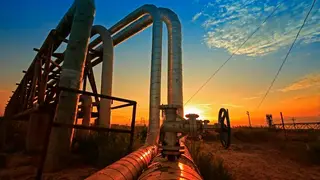
Several firms are reconsidering their reliance on natural gas for powering data centers, potentially shifting away from direct pipeline connections. The move reflects growing pressure to reduce carbon emissions and explore alternative energy sources. This trend could reshape how facilities secure reliable electricity supply.
The energy-intensive nature of modern computing has made power procurement a central concern for data center operators. Natural gas has long served as a dependable bridge fuel, offering consistent output that complements intermittent renewables. However, the emissions profile of gas-fired generation now sits uneasily with corporate climate commitments, prompting a reassessment of long-term power strategies.
This reconsideration extends beyond fuel choice to infrastructure design. Direct pipeline connections, once seen as essential for reliability, may become less central as operators weigh flexibility against carbon exposure. The outcome could influence grid planning, utility contracts, and the pace at which alternative generation sources are integrated into high-demand regions.
The shift could affect electricity consumers broadly, as data centers represent a growing share of national power demand. If operators move away from gas, utilities may need to accelerate renewable deployment and storage investment, potentially affecting grid stability and pricing. Communities hosting these facilities may see changes in local energy planning, while technology users could face indirect cost implications. The trend may also signal a broader corporate movement toward decarbonizing critical infrastructure, though the pace and scale remain uncertain.