AI-assisted archaeology sparks debate after false claim of new Maya site discovery
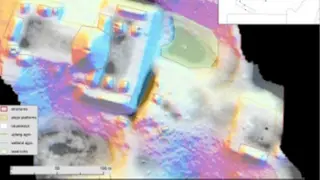
An artificial intelligence researcher claimed to have discovered a previously unknown ancient Maya civic center using AI analysis of public lidar data, sparking widespread online attention and media coverage. However, the site had already been documented, leading archaeologists to criticize the incident as an example of flawed 'vibe archaeology' driven by social media hype. The episode ignited a broader debate about the responsible use of AI in scientific research and the risks of unverified claims.
On November 10, 2026, artificial intelligence researcher Pietro Miotti claimed via social media platform X to have discovered a previously unknown Maya civic center in Mexico using AI analysis of publicly available NASA lidar data. Miotti, who was vacationing in Peru at the time, reported that his AI agents identified a site not referenced in academic literature, prompting widespread media attention and viral excitement. The claim was amplified by major online accounts, including the betting platform Polymarket, and reported by several national outlets. However, within a day, archaeologist Sarah Parcak pointed out that the site had already been documented in a 2025 study published in the Journal of Archaeological Science: Reports by Francisco Estrada-Belli and colleagues from Tulane University. The site, located in the Maya region, had been analyzed as early as 2016 and was part of a broader network of peripheral settlements. Estrada-Belli and co-authors Marcello Canuto and Ivan Šprajc confirmed the prior documentation, noting the site was not a new discovery but a known peripheral group of a larger center. Miotti later updated his blog post to acknowledge the error. The incident highlighted the risks of unverified AI-driven claims, especially when public data is interpreted without peer review or contextual knowledge. The broader scientific community, including Parcak, emphasized that AI lacks access to unpublished data and field notes, and that human expertise remains essential for validation. While Miotti expressed enthusiasm for citizen science, experts stressed the need for due diligence before publicizing findings.
The episode underscores growing societal concerns about the reliability of AI in scientific discovery, particularly when claims go viral before verification. While AI has shown promise in fields like mathematics and archaeology—such as deciphering ancient texts or reconstructing ruins—this incident may fuel skepticism about AI's role in high-stakes research. The backlash could affect public trust in AI-assisted science, especially if similar cases emerge without proper oversight. Institutions like INAH, which did not confirm the site's status, may face increased scrutiny over data transparency and access. The case also reflects a wider tension between rapid, social-media-driven science and the slower, more rigorous peer-review process. A comparable precedent is the 2018 "DARPA challenge" where AI-generated archaeological claims were later debunked, raising similar questions. Moving forward, the scientific community may push for clearer guidelines on AI use in research, especially for non-experts. The incident could prompt platforms to implement fact-checking protocols for science-related content, though enforcement remains uncertain. How institutions respond—whether by tightening access to data, promoting collaboration, or regulating public claims—will shape the future of AI in science.