IBM and Confluent Introduce Time-Series Foundation Models for Real-Time Enterprise Intelligence
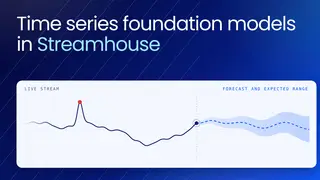
IBM and Confluent have integrated time-series foundation models into Streamhouse, enabling real-time forecasting, anomaly detection, and optimization across enterprise applications. These models, with over 50 million downloads, process streaming data using SQL via Apache Flink, allowing immediate decision-making in areas like production, fraud detection, and supply chain planning. The solution runs on CPUs, both in the cloud and on-premises, supporting mission-critical use cases across industries.
On November 18, 2026, IBM and Confluent unveiled the integration of time-series foundation models into Streamhouse, a real-time data platform built on Apache Flink and Confluent’s streaming infrastructure. These models, which have been downloaded over 50 million times, are now available natively within Confluent Cloud and on-premises deployments, running on CPUs without requiring GPUs. The integration enables enterprises to perform real-time forecasting, anomaly detection, and semantic intelligence directly on streaming data using SQL, allowing immediate decision-making across critical operations. Use cases span production optimization, fraud detection, supply chain planning, trading, and semantic search, with applications in manufacturing, retail, banking, and aviation. The models are designed to be scalable, reusable, and combinable with business logic, reducing the need for per-series model training. IBM researchers, including Nicholas Fuller, Sean Falconer, and others, led the development, leveraging the company’s long-standing work in time-series analytics and AI. Confluent, as the platform provider, aims to embed intelligence directly into data streams, aligning with the growing demand for real-time decision-making in the "agentic era" of enterprise computing. The solution is part of a broader shift toward streaming-first architectures, where data is processed as it arrives, rather than in batch cycles. What remains unresolved is how widely these models will be adopted across industries, particularly in regulated sectors where model transparency and auditability are paramount. Future developments may include expanded model fine-tuning capabilities and deeper integration with large language models.
The integration of time-series foundation models into real-time streaming platforms could significantly reshape how enterprises manage operational intelligence. By enabling immediate forecasting and anomaly detection at scale, organizations may reduce downtime, prevent financial losses from fraud, and improve responsiveness in dynamic environments like supply chains and trading floors. This shift may empower frontline teams with timely signals, reducing reliance on delayed analytics and centralized data teams. The broader impact could extend to workforce dynamics, as operational staff gain access to AI-driven insights that were previously reserved for data scientists. A comparable precedent is the adoption of real-time analytics in financial trading during the 2000s, where speed became a competitive differentiator. However, unlike that era, today’s models are more accessible and require no specialized hardware, potentially democratizing real-time intelligence. Still, risks remain around model bias, over-reliance on automated signals, and the opacity of AI decisions in high-stakes scenarios. The long-term success of this approach may depend on how well it balances automation with human oversight. What to watch for next is whether other cloud providers adopt similar model integrations, and how regulatory bodies respond to AI-driven decisions in sensitive domains like finance and healthcare.