BAAJA Bill Could Accelerate Nuclear Power Expansion Through Streamlined Permitting
The Bipartisan American Affordability and Jobs Act (BAAJA) aims to expedite permitting for new nuclear power projects, potentially reducing the decade-long construction timeline by addressing regulatory delays. Four amendments to the bill focus on nuclear regulation, enhancing transparency and speeding up licensing for next-generation small and micro-sized reactors. Experts note that streamlining these processes could be pivotal for the nuclear industry's resurgence, despite concerns from climate advocates about fossil fuel infrastructure provisions.
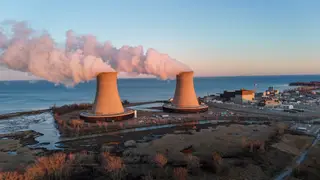
On November 18, 2026, the U.S. Senate is advancing the Bipartisan American Affordability and Jobs Act (BAAJA), a sweeping legislative package that includes four targeted amendments aimed at accelerating nuclear power development. These amendments focus on streamlining the Nuclear Regulatory Commission’s (NRC) permitting and licensing processes for next-generation small and micro-sized reactors, which are seen as critical to the industry’s resurgence. The bill would eliminate mandatory hearings for uncontested licensing decisions, allow uranium enrichment facilities to begin construction before final permits are issued, raise pay caps for NRC staff to improve retention, and mandate annual transparency reports from the Department of Energy (DOE) on nuclear facility actions. These changes are designed to reduce the decade-long timeline typically associated with nuclear plant development, during which permitting can account for up to 40% of delays. The Enrico Fermi II Nuclear Power Plant, located on Lake Erie, symbolizes the legacy infrastructure that may be upgraded or restarted under this new regulatory environment. The NRC has already begun updating its procedures to accommodate newer reactor designs, and industry stakeholders like the Nuclear Innovation Alliance and Columbia University’s Center on Global Energy Policy support the reforms as essential for attracting private investment. However, environmental and tribal groups, including the Native American Rights Fund, oppose broader NEPA and National Historic Preservation Act relaxations, arguing they undermine public participation and cultural protections. The bill’s dual focus on expanding renewable transmission and fossil fuel infrastructure has created division among climate advocates, with concerns that accelerated fossil fuel projects may offset climate benefits. What remains unresolved is whether the bill will pass, how the NRC will implement the changes, and whether the financial and technical challenges—such as securing domestic enriched uranium and managing cost overruns—will be adequately addressed.
The BAAJA bill could significantly reshape the U.S. energy landscape by reducing regulatory barriers that have long hindered nuclear power expansion. If passed, the amendments may encourage private investment in small modular reactors (SMRs), potentially accelerating the deployment of low-carbon electricity as demand from data centers and urban centers grows. This shift may strengthen grid resilience and support decarbonization goals, particularly if existing reactors are restarted or upgraded. However, the bill’s broader environmental rollbacks—especially those affecting NEPA—could erode public trust in federal permitting processes, especially among Indigenous communities and environmental organizations that rely on these safeguards. A comparable precedent is the 2015 Water Infrastructure Improvements for the Nation (WIIN) Act, which streamlined water project approvals but faced criticism over environmental oversight. The long-term impact of BAAJA may depend on how effectively transparency measures, such as the DOE’s annual reporting, are implemented and whether they improve public confidence. Future developments to watch include the NRC’s enforcement of new timelines, the pace of SMR deployments, and how climate advocates respond to the trade-offs between faster clean energy deployment and weakened environmental review.