Apple Launches Study to Evaluate Real-World Use of Conversational AI in Healthcare
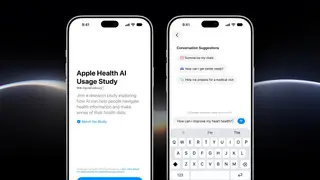
Apple is running the Apple Health AI Usage Study with OpenEvidence to assess how accurately and helpfully people find AI-generated medical responses. The study uses a new iOS app where participants, aged 21 and over in the U.S., can ask health questions and rate answers based on accuracy, detail, and relevance. It requires an iPhone 15 Pro with iOS 26 or later but does not use Apple Intelligence or Siri.
Apple has launched the Apple Health AI Usage Study in collaboration with OpenEvidence, a clinical AI platform, to evaluate how effectively conversational AI tools deliver accurate and helpful medical information in real-world settings. The study, which began on November 16, 2026, is accessible via a new iOS app available exclusively to U.S.-based participants aged 21 and older who own an iPhone 15 Pro running iOS 26 or later. Up to 200,000 users are being recruited to ask health-related questions and rate the responses based on accuracy, detail, and relevance. The app generates answers using medical data from peer-reviewed sources like The New England Journal of Medicine, but does not rely on Apple Intelligence or Siri, emphasizing its independence from Apple’s broader AI ecosystem. Participants may optionally share Apple HealthKit data—such as activity, sleep patterns, or lab results—to personalize responses, though Apple has stressed that this data will remain confidential and will not be used to train AI models. The initiative reflects Apple’s commitment to clinically grounded innovation, with Dr. Sumbul Desai, Apple’s vice president of Health and Fitness, framing the study as a step toward building trusted health tools through scientific rigor.
The background for this move lies in growing public interest in AI-driven health advice, coupled with concerns over misinformation and usability. While earlier reports have highlighted the risks of unverified medical chatbots, Apple is taking a research-first approach, distinguishing itself from competitors by focusing on user evaluation rather than immediate product rollout. OpenEvidence brings clinical credibility to the project, ensuring responses are rooted in evidence-based medicine. Apple’s decision to exclude its own AI infrastructure suggests a cautious stance—prioritizing transparency and avoiding potential bias from proprietary systems. What remains unresolved is how findings will be used beyond internal development: whether Apple will publish results, how response quality will be measured at scale, or if this study will influence future health app regulations. The long-term impact on public trust in AI health tools may depend on the openness of these outcomes.
This study could significantly influence public perception of AI in healthcare by demonstrating a corporate commitment to evidence-based design over rapid deployment. If Apple shares findings transparently, it may set a precedent for other tech companies to conduct similar research before launching health-focused AI features. The inclusion of personal health data—without using it for model training—may also shape privacy expectations in digital health, potentially influencing regulatory standards around consent and data use. A comparable earlier case is Google’s DeepMind Health project, which faced backlash over data access agreements, highlighting the risks of opaque partnerships. Apple’s approach may help mitigate such concerns by emphasizing user control and clinical validation. However, the study's limited scope—only iPhone 15 Pro users in the U.S.—raises questions about generalizability. The broader impact could extend to healthcare providers who might adopt similar AI tools if they see proven effectiveness. What to watch for next is whether Apple uses the insights to improve existing Health app features or to guide future partnerships with medical institutions, and how regulators respond to such large-scale user studies involving health data.