Semiconductor workforce shortage threatens U.S. AI hardware expansion
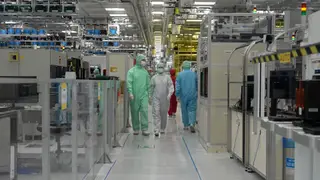
U.S. chipmakers face a projected shortfall of up to 157,000 skilled workers by 2030, prompting companies like Samsung and Micron to recruit heavily in Asia, where bonuses can exceed $500,000. Universities such as Purdue and Arizona State have launched semiconductor degree programs, while major manufacturers invest millions to build domestic talent pipelines. The labor crunch could slow AI hardware development even as tech firms consider decelerating model progress.
The McKinsey and SEMI Foundation report projects a shortfall of up to 157,000 semiconductor workers by 2030, with only 3% of U.S. engineering graduates entering the field annually and 73% of chip employers struggling to fill engineering roles. This labor gap emerges as TSMC, Intel, and Samsung ramp up new U.S. fabrication plants, including Samsung’s $35 billion Texas expansion expected to create roughly 3,500 jobs.
To bridge the gap, companies are recruiting heavily in Asia, where talent pipelines are stronger and bonuses can exceed $500,000. Meanwhile, Purdue and Arizona State have launched dedicated semiconductor degree programs, and major manufacturers are investing millions to build domestic pipelines—though these efforts may take years to yield enough skilled engineers and technicians.
This shortage could slow U.S. AI hardware expansion, potentially delaying advanced chip production and raising costs for tech firms. Consumers may see higher prices or slower AI innovation, while workers in other industries might face competition for talent. Regions hosting new fabs could benefit from job creation, but the broader economy may feel the pinch if AI development decelerates, affecting everything from data centers to consumer electronics.