Experts Link Brooklyn Building Collapse to Failed Soil Shoring During Nearby Construction
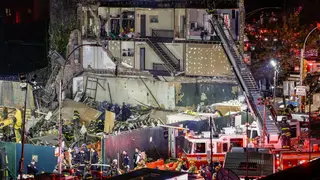
The sudden collapse of a Brooklyn apartment building on November 11, 2026, likely resulted from inadequate soil shoring at a neighboring construction site, according to civil engineering experts. Vibrations and excavation work may have destabilized the foundation of the building, leading to a redistribution of forces and eventual failure. The New York City Department of Buildings has launched an investigation into the incident, which left at least eight people dead and over a dozen injured.
On November 11, 2026, at approximately 4 P.M. Eastern Time, a residential building in Brooklyn’s Flatbush neighborhood suddenly collapsed into an adjacent construction site, resulting in at least eight fatalities and over a dozen injuries. The New York City Department of Buildings (DOB) confirmed that excavation and foundation work were underway at the neighboring site, which had active permits. Civil engineering experts, including Michael Chajes of the University of Delaware, Gregory Deierlein of Stanford University, and Mehrdad Sasani of Northeastern University, have pointed to a failure in soil shoring as a likely primary cause. Although shoring systems—typically steel piles with bracing boards—were reportedly installed, they may have been insufficient or compromised by vibrations from construction equipment. The building’s age and structural integrity are considered secondary factors, potentially amplifying the impact of ground movement. Experts emphasize that proper shoring design must account for soil type, adjacent building loads, and dynamic forces such as vibration or rainfall. The DOB has launched a formal investigation into site records and conditions, but no timeline has been released. The developer responsible for the construction site has not responded to requests for comment. What remains unknown is whether regulatory standards were violated, how much the shoring system failed, and whether other buildings in proximity are at risk.
The collapse raises urgent concerns about urban construction safety in densely populated areas where infrastructure is aging and new development pressures are high. If soil shoring failures are confirmed as a root cause, it could prompt stricter oversight of adjacent site work, especially near older residential structures. The incident may lead to policy reconsiderations around permit review processes, vibration monitoring, and mandatory third-party engineering assessments during excavation near existing buildings. Comparable cases include the 2014 collapse of a building in New York City due to nearby subway construction, which similarly highlighted the risks of inadequate shoring. This event could influence insurance practices, increasing premiums for developers and property owners in high-density zones. Municipalities may also face scrutiny over enforcement of building codes. Moving forward, the DOB’s findings could shape new engineering standards or digital monitoring tools for real-time soil stability tracking. The broader impact may be a shift toward more cautious development in historic neighborhoods, potentially slowing urban renewal projects—though not necessarily halting them.