United Airlines Blocks AI Agents from Booking Flights Over Safety and Privacy Concerns
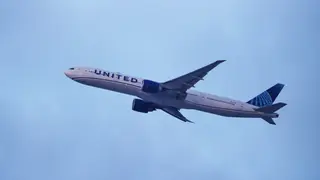
United Airlines has announced it will not allow personal AI assistants to book flights, citing risks related to passenger safety, privacy breaches, and regulatory compliance. The airline is particularly concerned that AI agents cannot verify critical safety information, such as whether a passenger’s luggage contains explosives. This decision reflects broader industry hesitation, with companies like DoorDash also restricting third-party AI transaction capabilities.
In November 2026, United Airlines announced it would prohibit personal AI assistants from booking flights on its platform, citing safety, privacy, and regulatory compliance risks. The airline emphasized that AI agents cannot verify critical passenger safety information—such as whether luggage contains explosives—making automated bookings potentially hazardous. While the company noted it had not yet observed widespread attempts by users to employ AI agents for flight bookings, it cited precedents from other industries, including DoorDash and eBay, which have similarly restricted third-party AI transaction capabilities. United’s stance applies specifically to direct booking actions; AI tools may still display flight information but cannot complete purchases on behalf of users. The airline’s CEO, Scott Kirby, expressed skepticism about creating “another middleman,” signaling concern over loss of control over customer data and transaction integrity. This decision reflects a broader industry trend where companies are cautious about allowing autonomous agents to interact with sensitive systems, particularly those involving federal safety regulations.
The move underscores growing unease among major corporations about the risks associated with AI-driven automation in high-stakes domains. United’s position is not isolated—similar restrictions have been observed in financial services and e-commerce, where data privacy and regulatory adherence are paramount. The company acknowledged that future advancements in AI could change its stance, suggesting a conditional openness to reevaluating the policy as safeguards evolve. However, no timeline or specific criteria for such reconsideration were provided. The affected entities include emerging personal AI tools like Meta’s Muse and OpenAI’s Dots, which rely on seamless third-party integrations to deliver convenience. What remains unclear is whether United will develop its own secure API for trusted agents or maintain a blanket ban indefinitely.
United Airlines’ decision could significantly limit the utility of personal AI assistants in travel planning, affecting consumers who rely on automation for efficiency. As more services restrict AI access, users may face friction in managing complex tasks like booking flights, potentially slowing adoption of AI tools despite their promise. The broader impact may extend to innovation in AI agent development, discouraging investment in applications that require deep integration with regulated industries. This mirrors earlier resistance from legacy institutions—such as banks’ initial reluctance to adopt online banking—which eventually gave way as security and user trust improved. A comparable case is the early pushback against third-party payment apps on financial platforms, which were later permitted under strict compliance frameworks. What may unfold next is a gradual shift toward regulated AI intermediaries, where only vetted agents with verified safety and privacy protocols gain access. The key to watch will be whether airlines and other sectors develop standardized trust mechanisms that balance innovation with risk mitigation.