Adobe Unveils AI Tools That Let Users Converse With and Explore Generated Characters in 3D
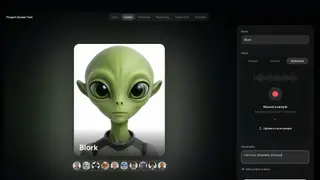
Adobe has introduced experimental tools at its Max 2026 conference that enable users to transform static images into navigable 3D environments and develop AI-generated characters through interactive conversations. One such tool, Project Screen Test, allows creators to shape a character’s personality by speaking with it in real time, refining traits like backstory, fears, and mannerisms as if conducting an audition. These characters can then be animated in custom scenarios, streamlining the process of designing digital personas for video content.
At Adobe Max 2026, Adobe unveiled a suite of experimental AI tools under the “sneaks” banner, including Project Screen Test, Project Sight Span, Project Sound Bender, and Project Rinse Repeat. These tools were demonstrated during the conference’s keynote on November 11, 2026, and represent early-stage innovations in generative AI for creative workflows. Project Screen Test enables users to develop AI-generated characters by conversing with them in real time—shaping personality traits like backstory, fears, and mannerisms through dialogue, akin to an audition. The tool allows voice customization via presets, text prompts, or audio uploads, and generates animated screen tests based on user-defined scenarios. Project Sight Span transforms flat images into navigable 3D environments where users can reposition their viewpoint and explore expanded spatial contexts while preserving original artistic styles. Project Sound Bender uses a visual “sound canvas” to let users manipulate AI-generated audio effects by moving a cursor across a square, adjusting layers like bubbling cauldrons or crackling fire. Project Rinse Repeat automates the application of edits—such as blemish removal or shadow addition—across multiple subjects in a single image using Photoshop’s native tools, preserving editability.
These developments stem from Adobe’s ongoing effort to bridge generative AI with intentional creative control, addressing concerns that AI-generated content often lacks depth and consistency. The company aims to empower creators by giving them interactive, iterative tools rather than one-off outputs. While these features are currently experimental and not integrated into core products like Premiere Pro or After Effects, they signal a strategic direction toward more immersive, human-guided AI workflows. Adobe’s broader goal appears to be reducing the gap between traditional animation’s precision and AI’s speed. However, it remains unclear whether these tools will evolve into commercial products, how they’ll integrate with existing pipelines, or what ethical safeguards—such as transparency about AI use—will be implemented. The long-term impact on creative labor, intellectual property, and audience trust is still unknown.
These experimental tools could significantly reshape how digital content is created, particularly in film, advertising, and interactive media. By enabling real-time personality development for AI characters, Project Screen Test may lower barriers to entry for independent creators while raising questions about authenticity and authorship in storytelling. If adopted widely, such tools might shift industry standards toward faster, more iterative character design—but could also risk homogenizing voices if users rely too heavily on default traits or templates. The ability to navigate photos in 3D through Project Sight Span may redefine visual storytelling, especially in social media and immersive advertising, where spatial context enhances engagement. However, the technology’s current pixelation and reliance on post-selection refinement suggest it’s not yet ready for high-stakes production. Comparable to Apple’s Spatial Reframing, but more ambitious, it could influence how platforms like TikTok or YouTube handle image-based content. Meanwhile, Project Rinse Repeat may accelerate editing workflows in marketing and e-commerce, potentially reducing manual labor but also raising concerns about digital manipulation and consent. The real test will be whether Adobe prioritizes transparency and user control over automation. What to watch for: the evolution of these “sneaks” into production-ready features, their adoption by studios and agencies, and how regulators or creators respond to the blurring line between human and AI authorship.