Measles Outbreaks Threaten U.S. Elimination Status Amid Rising Cases
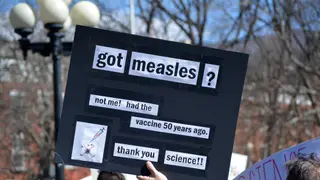
The United States is nearing the loss of its long-held measles elimination status due to a surge in cases, with over 5,000 confirmed infections in 2026 and outbreaks reported across nearly every state. Public health experts warn that the resurgence—marked by rising transmission rates and eight deaths—signals a breakdown in disease control measures despite the availability of effective vaccines. The Pan American Health Organization is set to review the country's status at its annual meeting, potentially formalizing what has already become a public health crisis.
In 2026, the United States recorded 5,182 confirmed measles cases—the highest number since the disease was declared eliminated in 2000—spreading across nearly every state and resulting in at least four deaths officially documented by the CDC (eight reported locally). This surge marks a dramatic reversal from previous years: 2,289 cases in 2025 and just 285 in 2024. The Pan American Health Organization (PAHO) is set to review the U.S. status at its annual meeting, potentially revoking the nation’s long-standing measles elimination designation, a symbolic but significant recognition of sustained transmission. The decline in vaccination rates—down to 92.4% among kindergartners in 2026 from 95.2% in 2020—has undermined herd immunity, with 18 states reporting MMR coverage below 90%, including Idaho at 75.2%. Some counties have vaccination rates under 60%, creating high-risk clusters despite national averages. Experts like Michael Osterholm and Elizabeth Jacobs attribute the crisis to years of declining public trust in vaccines, amplified by misinformation on social media and inconsistent leadership at the Department of Health and Human Services (HHS), particularly under Robert F. Kennedy Jr., a known vaccine critic who has failed to promote MMR vaccination as the primary prevention method. The majority of 2026 cases involved unvaccinated or undetermined-status individuals, with over 40% occurring in adults over 20—many likely missed childhood immunizations.
The situation is not without precedent: Canada lost its measles elimination status in 2025 after a similar outbreak, serving as a warning. While PAHO’s decision would carry no formal penalties, it would signal a systemic failure in disease control. The outcome of the November 10–13 meeting remains uncertain, but experts expect the revocation to be confirmed based on current data. What is not yet known is whether federal or state governments will implement immediate, large-scale vaccination campaigns or if political resistance will delay action. The long-term implications for public health infrastructure and trust in medical institutions remain unresolved.
The resurgence of measles in the U.S. could deepen existing social divides, particularly between communities with high vaccine hesitancy and those prioritizing public health safety. Unvaccinated individuals face higher risks of severe illness, while healthcare systems may become overwhelmed during outbreaks, straining resources in clinics and hospitals. Schools and childcare centers—especially those in low-vaccination areas—may face closures or mandatory immunization policies, affecting families and educators. The crisis may also influence broader public attitudes toward science-based policy, potentially eroding confidence in government health agencies, particularly if leadership is perceived as complicit in the decline of vaccination rates. Comparable to the 2019 measles outbreak fueled by misinformation, this situation could amplify demands for stronger vaccine mandates or digital verification systems in public settings. Looking ahead, the outcome of PAHO’s review may prompt other nations to reassess their own immunization programs and surveillance systems. Whether the U.S. will respond with coordinated federal action—or remain fragmented—will likely shape how future disease outbreaks are managed, both domestically and within global health frameworks.