Robotic Integration Drives Demand for Smarter Maintenance Strategies
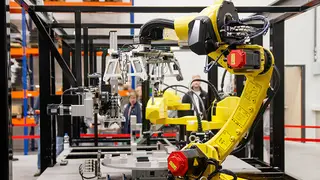
As industrial robots become more prevalent in manufacturing, predictive maintenance is gaining importance to prevent costly downtime by identifying equipment issues before they escalate. By analyzing real-time data such as vibration, temperature, and motor current, manufacturers can detect early signs of mechanical wear or abnormal operation. This shift from time-based to condition-based maintenance enhances productivity and system reliability across automated production lines.
In 2025, the International Federation of Robotics reported approximately 5 million industrial robots were in operation globally, marking an 11% increase from the previous year. This surge reflects a broader trend of automation adoption in manufacturing, where robots now handle repetitive, precise, and physically demanding tasks at high speed. As robotic systems become central to production lines, unplanned failures pose greater risks—disrupting entire workcells, slowing throughput, and causing cascading delays across plants. The shift from traditional time-based maintenance to condition-based predictive maintenance has emerged as a critical response. Organizations like ATS (Advanced Technology Services) and ATI emphasize that real-time data—including vibration, temperature, motor current, torque, and controller alarms—can detect early signs of mechanical wear or abnormal operation before failures occur. These signals are analyzed using monitoring tools that identify deviations from normal behavior, enabling maintenance teams to act proactively. The goal is not to collect all possible data but to focus on indicators tied to actual equipment condition. This approach allows manufacturers to prioritize inspections based on real-time health metrics rather than fixed schedules, especially important as fleets of robots grow in size and complexity.
The people involved include industrial manufacturers, robotics integrators, maintenance teams, and technology providers like ATS and ATI, all aiming to improve uptime, reduce unplanned downtime, extend asset life, and enhance safety. By identifying issues early, companies can plan repairs during scheduled downtimes, avoid emergency interventions, and better manage spare parts logistics. However, challenges remain: not all factories have the infrastructure for real-time data collection or analytics capabilities. The integration of predictive systems requires investment in sensors, connectivity, and skilled personnel to interpret results. It is also unclear how standard these practices are across different regions or industries. What remains unresolved is whether smaller manufacturers can adopt these strategies without significant upfront costs, and how regulatory or industry standards may evolve to support widespread implementation.
Predictive maintenance in industrial robotics could significantly enhance operational efficiency across manufacturing sectors, potentially reducing downtime-related losses that cost the global economy billions annually. Workers on production lines may benefit from fewer disruptions and safer working conditions, as technicians can perform repairs during planned stops rather than under pressure after a failure. This shift may also influence labor dynamics—while some maintenance roles may become more technical and data-driven, others could see reduced demand for reactive repair work. The broader industrial ecosystem—including suppliers of sensors, software platforms, and automation systems—may experience growth as demand for integrated monitoring solutions rises. A comparable earlier case is the adoption of predictive maintenance in aviation, where real-time engine monitoring helped reduce flight delays and improve safety. However, unlike aircraft, most industrial robots operate in less standardized environments, making universal data models harder to implement. The next step may involve greater standardization of data formats and interoperability between robot brands, which could allow for more seamless cross-platform analytics. What to watch for is how quickly small- and medium-sized enterprises adopt these systems, especially as cloud-based analytics become more accessible.