Ring Unveils AI-Powered Flying Security Drone for Homes
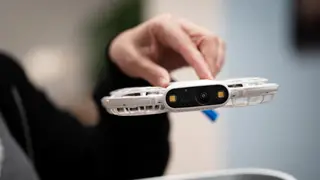
Ring is set to release its first flying indoor security camera, the Drone Cam, in January 2027, after years of delays. The device uses AI to autonomously patrol homes and monitor activity, serving as a successor to the canceled Always Home Cam. Priced at $249.99, it aims to bring dynamic surveillance to smart home ecosystems.
Ring is set to release its AI-powered indoor security drone, the Drone Cam, on January 27, 2027, priced at $249.99, marking a long-awaited follow-up to the canceled Always Home Cam first announced in 2020. The new device, weighing just 165 grams and measuring about a quarter the size of its predecessor demoed at CES 2023, is designed for indoor use only and uses AI to autonomously patrol homes when triggered by Ring sensors—such as motion detection, door openings, or alarm signals. It can follow pre-programmed routes, conduct scheduled patrols, or be activated on demand via the Ring app, offering 2K resolution and a 148-degree field of view with 360-degree coverage thanks to its mobility. The drone charges for eight minutes per minute of flight time, limiting each session to 5–8 minutes, which suggests it’s intended for brief, targeted inspections rather than continuous surveillance. When docked, the camera is fully covered; when flying, it emits noticeable noise, a design feature meant to deter privacy invasion. Ring also introduced its new TAKE encryption system, rotating keys every five minutes and deleting cloud copies after 24 hours to limit Amazon’s access while enabling AI-powered video search and smart alerts.
The Drone Cam represents a pivot from the earlier Always Home Cam, which was scrapped after years of delays and skepticism over its feasibility and privacy risks. Ring founder Jamie Siminoff demonstrated the new model in New York City, emphasizing its improved size, stability, and safety features. The company aims to reduce the need for multiple fixed cameras by offering dynamic coverage, though whether it can effectively replace stationary units remains unproven. While the drone can navigate stairs and uses LED spotlights for night visibility, this capability was not demonstrated at the event. The broader implications of such a device—especially its potential to normalize mobile surveillance in private homes—are still uncertain. What remains unresolved is whether consumers will accept the trade-off between enhanced security and constant aerial monitoring, and how regulatory bodies may respond to such technology.
The introduction of Ring’s Drone Cam could signal a shift toward more dynamic, AI-driven surveillance within domestic spaces, potentially reshaping expectations around home security. By replacing static cameras with a mobile unit that responds to events in real time, the device may appeal to users seeking proactive monitoring, especially those concerned about blind spots or intruder behavior. However, its constant noise and visible presence could also heighten awareness of surveillance, possibly leading to discomfort or resistance among family members or guests. The device’s short flight time and reliance on pre-programmed routes suggest it is not intended for continuous operation, which may mitigate some privacy concerns but also limit its utility in real-time threat response. A comparable earlier case is the 2013 Google Glass rollout, which faced public backlash over perceived invasiveness despite technological innovation—Ring’s drone may face similar scrutiny if deployed widely without clear consent mechanisms or transparency. The broader market for smart home security could see increased competition, with rivals like Amazon potentially developing similar mobile surveillance solutions. What to watch for next is how consumer adoption evolves, whether privacy regulations adapt to address mobile AI devices in homes, and whether such tools become normalized as standard security features—or remain niche curiosities.