AI music startup Suno hit with lawsuits over alleged voice cloning of iconic artists
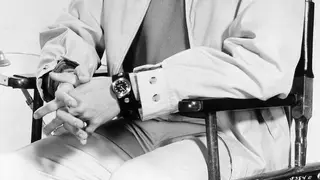
Rights holders for Elvis Presley and Eminem have filed lawsuits against AI music company Suno, alleging the platform illegally replicates the voices and styles of these artists without authorization. The Presley lawsuit cites Tennessee’s ELVIS Act, which prohibits unauthorized use of a person’s likeness, voice, or image in AI systems. Suno denies wrongdoing, stating it aims to foster original creation and prohibits unlicensed use of artists’ work.
In November 2026, Suno, an AI music generation startup, faced two new lawsuits filed by rights holders of Elvis Presley and Eminem, alleging unauthorized use of their respective voices and musical styles in AI-generated content. The Presley lawsuit invokes Tennessee’s ELVIS Act, a law designed to protect the likeness, voice, and image of deceased celebrities from being exploited in AI systems without consent. The complaint accuses Suno of encoding artists’ identities into its platform to produce music at scale, describing it as a “conveyor belt of cold hard cash” derived from the labor and creativity of real musicians. The Eminem suit, brought by his publisher, echoes similar claims, asserting that Suno’s AI replicates the rapper’s distinct vocal patterns and lyrical style without authorization. These legal actions follow earlier lawsuits from Jason Isbell, Sony Music, Universal Music Group (UMG), and Reservoir Media, all challenging Suno’s use of copyrighted material in training its models or generating output. Suno maintains it does not allow prompts referencing specific artists or songs and uses third-party screening tools to detect unauthorized content, emphasizing its mission to support original creation. However, critics argue that the company’s technology still enables deep mimicry despite these safeguards.
The lawsuits against Suno highlight a growing legal and ethical tension in AI-generated music, where innovation clashes with intellectual property rights. If upheld, the ELVIS Act could set a precedent for how states regulate AI use of celebrity likenesses, potentially influencing federal policy or prompting similar laws elsewhere. Artists and rights holders may gain stronger leverage to demand transparency and compensation, while platforms like Suno face pressure to implement more robust content verification systems. This case mirrors earlier controversies involving deepfakes in entertainment and the legal challenges faced by companies like OpenAI and Meta over training data use—though Suno’s focus on music performance adds a new layer of emotional and cultural resonance. The outcome could reshape how AI tools are designed, with stricter guardrails or even industry-wide standards for voice and style licensing. What remains uncertain is whether courts will treat AI-generated mimicry as transformative use under fair use doctrine or as unauthorized commercial exploitation. The broader impact may extend beyond music to other creative fields, influencing how digital identity and artistic expression are protected in the age of generative AI.