AI Oversight Efforts Stall Amid White House Opposition and Congressional Gridlock
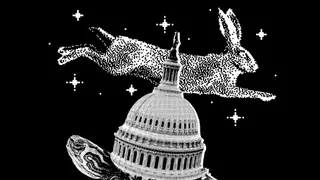
Despite growing concerns about the risks of advanced AI systems, no federal regulation appears imminent. The White House has shelved plans for a self-regulatory agency after tech executives lobbied against it, while competing congressional proposals lack the votes to pass before the midterm elections. President Trump has dismissed AI safety worries as a hoax, further diminishing prospects for legislative action.
The shelved White House proposal would have created a FINRA-style body where leading AI labs self-regulated frontier model development, with Treasury and the science office drafting initial plans. Tech figures including David Sacks and Mark Zuckerberg lobbied Trump directly in August, halting momentum. Separately, the bipartisan Frontier Act would embed Commerce Department auditors at labs to report safety incidents and pause dangerous models, but Trumpworld worries China would not reciprocate pauses, undercutting the approach. Congressional calendars offer no voting days before midterms, and Speaker Mike Johnson shows no interest in advancing any measure.
This gridlock could leave advanced AI development effectively unmonitored in the U.S. for the foreseeable future, affecting researchers, companies, and the public who may face unmitigated risks from frontier models. Without federal rules, states or industry self-governance might fill the void unevenly, while international competitors could set standards. The political stalemate may also erode public trust in both AI institutions and government’s ability to respond to emerging technological threats, though the full societal consequences remain uncertain.