Genetic Taming: How Brain Chemistry Transformed Wild Foxes into Dog-Like Pets
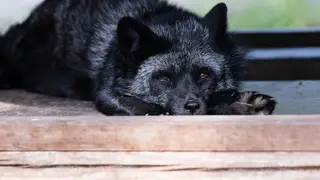
A decades-long Russian experiment in selective breeding has revealed that changes in a specific receptor protein in the ventromedial hypothalamus correlate with domesticated behaviors in foxes, such as reduced aggression and increased social bonding. Researchers found that these neural alterations, driven by generations of breeding for tameness, mirror traits seen in domesticated dogs. The findings suggest that similar brain mechanisms could underlie behavioral changes across species, including humans.
Since 1959, a long-term selective breeding experiment in Russia has transformed wild silver foxes into docile, dog-like animals through generations of choosing only the tamest individuals for reproduction. Now, nearly seven decades later, researchers led by molecular biologist Eirene Markenscoff-Papadimitriou from Cornell University have identified a key neural mechanism underlying this behavioral shift: a reduction in estrogen receptor alpha (ERα) neurons within the ventromedial hypothalamus—a brain region linked to aggression and fear responses. The study, published in Current Biology on November 2, 2026, compared tame, aggressive, and wild foxes and found that tame individuals had significantly fewer ERα-expressing neurons than their counterparts. This discovery builds on earlier work showing that activating ERα in mice increases aggression, suggesting a conserved neurobiological pathway across species. The research originated when Markenscoff-Papadimitriou, initially focused on mouse neuroscience, became intrigued by the fox experiment’s legacy and applied her expertise to this long-running study. Her team’s findings suggest that domestication may be driven by predictable changes in specific receptor proteins during brain development, potentially explaining why tame foxes exhibit floppy ears, curly tails, and social bonding behaviors similar to dogs. While the exact genetic mechanisms triggering the reduction in ERα neurons remain unknown, researchers are now exploring how selective breeding alters neural cell composition over time. The broader implications—whether such changes could be replicated or reversed in other species, including humans—remain speculative but are being actively investigated.
The findings may influence how society understands the biological roots of behavior, particularly in domestication and sociality across species. If similar neural mechanisms underlie tameness in foxes, dogs, and potentially humans, this could reshape approaches to animal welfare, behavioral therapy, and even neurodevelopmental research. The study’s focus on a single receptor protein in a specific brain region offers a concrete target for future investigation into the genetic and epigenetic basis of social behavior. Comparable to earlier work on domesticated rats or the genetic analysis of dog evolution, this research adds a new layer by linking behavior directly to neurochemical changes over time. While no immediate commercial or clinical applications are evident, the insights could inform animal breeding programs, mental health interventions targeting aggression, or even ethical debates around modifying social behavior through biological means. What remains uncertain is whether these findings translate beyond foxes and mice, and how environmental factors interact with genetics in shaping neural development. The next steps—mapping the genetic pathways behind ERα neuron reduction and testing cross-species parallels—will determine whether this study becomes a foundational model for behavioral neuroscience or a fascinating but isolated case.