Dating app users increasingly reject partners who use AI
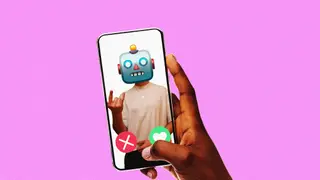
A growing number of people on dating apps are listing AI usage as a dealbreaker, reflecting broader societal tensions around artificial intelligence. The trend is especially prominent in tech hubs like San Francisco, where users express discomfort with potential partners who rely on AI for communication or self-presentation. This shift highlights how AI integration is influencing personal relationships and social norms in unexpected ways.
In November 2026, a growing number of dating app users—particularly in tech-centric San Francisco—are listing AI use as a relationship dealbreaker, with some profiles explicitly stating “Fuck AI” or “You should *not* go out with me if… you use AI.” This trend emerged in the wake of ChatGPT’s 2022 launch, which catalyzed widespread cultural and professional engagement with artificial intelligence. Irene, a 25-year-old data analyst who recently moved to San Francisco, observed this shift firsthand while using Hinge, where users increasingly include AI-related values in their “We’ll get along if” prompts. The phenomenon reflects deeper anxieties about AI’s societal impact, especially among younger professionals in the tech industry. Kyle, a researcher at an AI safety nonprofit, exemplifies this concern: he grapples with existential dread over AI-driven extinction risks and finds it difficult to envision long-term commitments, such as raising children or settling in one place. His perspective underscores how AI’s perceived threat to human survival is now influencing intimate decisions. In contrast, Bryan, a developer at a frontier AI company, dismisses AI as irrelevant to dating, emphasizing personal compatibility over professional affiliation. Despite this divergence, market data shows rising demand for partners with AI engineering roles, driven by the anticipated IPOs of Anthropic and OpenAI, and a surge of over 20,000 new AI jobs in the Bay Area since early 2026. The tension between ethical discomfort and financial appeal remains unresolved.
The rise of AI as a dating filter may signal a broader cultural reckoning with technology’s role in personal life, where professional identity increasingly intersects with moral judgment. This shift could affect how individuals perceive trust, authenticity, and long-term planning in relationships—especially among younger generations navigating uncertain futures. The phenomenon mirrors earlier societal reactions to political affiliations or religious beliefs being used as relationship criteria, suggesting that AI may become a new social litmus test. If this trend spreads beyond tech hubs, it could influence hiring practices, social networks, and even mental health, as people internalize stigma around certain professions. Markets may respond by creating niche dating platforms catering to AI skeptics or enthusiasts, while employers might face reputational risks if their workforce is perceived as ethically compromised. Comparable to how internet privacy concerns reshaped digital behavior in the 2010s, this could mark a turning point in how people evaluate personal integrity in a tech-driven world. What remains unclear is whether these attitudes will harden into lasting norms or fade as AI becomes more normalized. Watch for shifts in dating app features—such as AI disclosure prompts—or public discourse around “ethical tech” as indicators of where the conversation may head next.