RTX 5080 Now Costs More Than RTX 5090 Did at Launch Amid Severe Stock Shortages
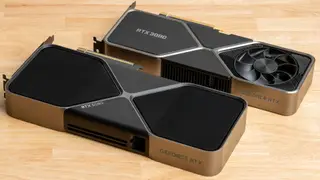
The Nvidia GeForce RTX 5080 has surged in price to $2,000 or more, surpassing the original launch cost of the RTX 5090 and reaching up to three times its initial MSRP. Limited availability from major retailers and inflated third-party pricing have made it one of the most expensive consumer GPUs on the market. This reflects broader trends in GPU scarcity and escalating demand for high-end graphics hardware.
The Nvidia GeForce RTX 5080, launched with an MSRP of $999, now commands prices as high as $2,000 or more—surpassing the original launch price of the higher-tier RTX 5090, which debuted at $1,999. As of October 2026, major retailers like Best Buy and Newegg list the 5080 at $1,999 to $2,300, with some third-party sellers charging nearly $3,000 for models from brands like Gigabyte and Asus. Stock availability remains extremely limited, with only one or two units available for local pickup at Best Buy and minimal delivery options. The scarcity is compounded by a surge in demand driven by AI workloads, which have redirected production capacity away from consumer GPUs toward high-margin HBM memory used in data centers. This shift reflects Nvidia’s strategic pivot toward enterprise markets, leaving consumer supply constrained despite steady price increases across the entire RTX 50-series lineup. The situation is mirrored with the RTX 5090, whose prices have soared to $12,000 for remaining units, illustrating a broader trend of GPU scarcity and inflation.
Nvidia’s focus on AI infrastructure has reshaped the semiconductor supply chain, with memory manufacturers prioritizing HBM over GDDR7 for graphics cards. This reallocation has reduced output for consumer GPUs like the 5080, despite their high performance—featuring 10,752 CUDA cores and 16GB of GDDR7 VRAM on the GB203 GPU. Consumers, particularly gamers, are left with few options, forced to pay premiums or risk missing out entirely. Third-party sellers, even those with decent ratings like Empowered PC on Amazon, contribute to inflated prices. The market dynamics suggest that demand remains strong, but supply is artificially limited by corporate priorities and production constraints. What remains unresolved is whether Nvidia will rebalance its manufacturing strategy to address consumer shortages, or if this trend of escalating prices and scarcity will persist into future generations.
The soaring cost and scarcity of the RTX 5080 could deepen existing inequities in access to high-performance computing, particularly for gamers and creators who rely on affordable hardware. As prices exceed $2,000 for a mid-tier GPU, the barrier to entry for high-end PC gaming may become insurmountable for many, potentially shrinking the consumer base and reducing innovation in game development that depends on broad hardware adoption. The broader tech ecosystem may also feel ripple effects: smaller content creators, students, and hobbyists could be priced out of essential tools, while third-party markets grow increasingly unregulated. This situation echoes the 2017–2018 GPU shortage driven by cryptocurrency mining, where demand from speculative markets distorted pricing and availability. However, unlike then, today’s scarcity is not due to a temporary fad but a structural shift toward AI infrastructure. If Nvidia continues prioritizing enterprise over consumer needs, it may erode trust in its product ecosystem. What could follow is a long-term decline in consumer confidence, increased reliance on used or grey-market hardware, and potential regulatory scrutiny over supply allocation. Monitoring future product launches and production transparency will be key to understanding whether this imbalance is temporary or indicative of a permanent realignment in the semiconductor industry.