Despite AI’s Rapid Enterprise Adoption, Productivity Gaps Persist in Economic Data
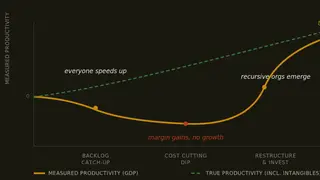
Although AI is being rapidly integrated across enterprises, macroeconomic indicators like GDP and inflation remain unchanged, signaling a lag in measurable productivity gains. Experts suggest this delay stems from companies prioritizing cost-cutting over investment in AI-driven innovation. The full economic impact of AI is expected only when firms shift from efficiency measures to long-term growth strategies.
Despite widespread enterprise adoption of AI, macroeconomic indicators like GDP and inflation show minimal change, suggesting a lag in productivity gains. This delay may stem from companies focusing on short-term cost reduction rather than long-term innovation. Historical parallels exist: in the 1980s, computers were widely adopted yet absent from productivity statistics until a decade later, when their full economic impact emerged. Similarly, AI’s benefits may be materializing behind the scenes through rapid operational fixes and expanded access to services—such as remote healthcare and legal advice via AI—without yet registering in broad economic data.
The persistent gap between AI adoption and visible economic growth could influence public perception of technological progress, potentially tempering expectations or fueling skepticism. If productivity gains remain hidden in data, policymakers may delay investment in digital infrastructure or workforce training. Meanwhile, early adopters may gain competitive advantages, widening economic disparities. The delay may also affect how investors assess AI’s long-term value, shaping capital flows and innovation incentives across industries.